Koya tofu in place of chicken karaage: a no-soak recipe from a Nagano tofu maker
Karaage is usually made with chicken. This version uses dried koya tofu instead. We go through Asahimatsu Foods' official recipe: the ingredients, numbered steps, how the tofu is made, and allergens with swaps.
What it replaces: the meat in karaage, swapped for frozen tofu
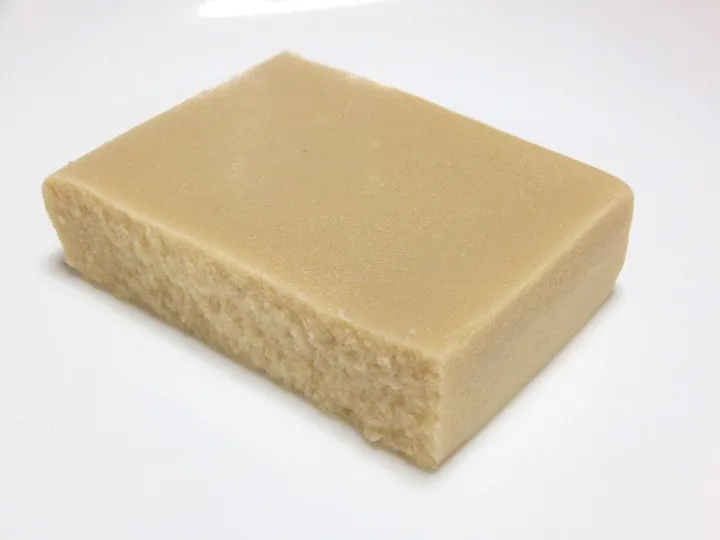
Karaage is usually made with chicken or other meat. Here, dried koya tofu, which is made from soybeans, takes its place: you tear it into bite-size pieces and fry it. The recipe comes from koya tofu maker Asahimatsu Foods, which posts it on its website as "koya tofu karaage" for one person, with a cooking time of about 15 minutes (Source: Asahimatsu Foods, "Koya tofu karaage"). All you need is a pot or frying pan and a bowl, and every ingredient is in a regular supermarket's dried goods, sauce and flour aisles.
Koya tofu and the company that makes it
Asahimatsu's history page says koya tofu began about 800 years ago, in the Kamakura period, as the "frozen tofu" made by monks on Mount Koya. It also says Nagano Prefecture now makes 98% of Japan's supply (Source: Asahimatsu Foods, koya tofu chronicle). The company was founded on December 19, 1950, and its registered head office is in Iida, Nagano (Source: Asahimatsu Foods, company profile). The Shin Asahi tofu used here descends from the product Asahimatsu first sold under the Shin Asahi name in July 1972 (Source: Asahimatsu Foods, koya tofu chronicle).
Ingredients (serves one)
You need 1 piece of Shin Asahi koya tofu, 2 tbsp straight (ready-to-use) somen noodle broth, 1 tbsp water, 2 tsp ginger juice, and potato starch (katakuriko) and vegetable oil as needed (Source: Asahimatsu Foods, "Koya tofu karaage"). The 10-piece pack of Shin Asahi tofu (165 g) lists soybeans (USA), potassium carbonate and a tofu coagulant as ingredients, with soy as its only labeled allergen (Source: Asahimatsu Foods, Shin Asahi tofu 10-pack). If you use another brand, rehydrate it the way the package says, then follow the same steps.
Method: pour, tear, dust, fry
There are four steps: 1) mix the somen broth, water and ginger juice, pour it over both sides of the tofu and leave it for about 5 minutes; 2) tear the tofu by hand into bite-size pieces; 3) dust the pieces lightly with potato starch; 4) deep-fry them at 180°C until crisp (Source: Asahimatsu Foods, "Koya tofu karaage"). The recipe has you pour the broth over both sides, not just one, so the seasoning soaks in, and you tear the tofu by hand instead of cutting it with a knife (Source: Asahimatsu Foods, "Koya tofu karaage").
Using less oil: the shallow-fried bouillon version
Asahimatsu also has a "koya tofu bouillon karaage" for two. You rehydrate 3 pieces of Shin Asahi tofu in water or hot water, squeeze them well, tear them up, and work them in a plastic bag with bouillon, grated garlic, grated ginger and about 2 tbsp of water at roughly 40°C (Source: Asahimatsu Foods, "Koya tofu bouillon karaage"). Then you add 2 tbsp of potato starch, shake the bag to coat the pieces, and shallow-fry them in about 1 cm of oil at 170°C, or over medium heat, until the outside crisps up (Source: Asahimatsu Foods, "Koya tofu bouillon karaage"). If deep-frying in a lot of oil isn't practical in your kitchen, you can shallow-fry the karaage the same way.
How it works, part 1: dense tofu, frozen and aged for three weeks
At Asahimatsu, mostly US-grown soybeans are sorted, washed and soaked. Next they're ground with water into a raw mash, cooked with steam, and strained to separate the okara from the soy milk, which is then set with calcium chloride and pressed to remove water (Source: Asahimatsu Foods, "How koya tofu is made"). The result is tofu made just for koya tofu, which the company describes as about twice as dense as regular tofu. It's cooled in circulating cold water for several hours, cut into single pieces and frozen over several hours (Source: Asahimatsu Foods, "How koya tofu is made"). It then ages below freezing for about three weeks, and the company says the protein bonds strengthen during that time to create koya tofu's distinctive texture (Source: Asahimatsu Foods, "How koya tofu is made").
How it works, part 2: why you can skip the soak
After aging, the tofu is thawed with cold water. To soften it, the tofu is soaked in potassium carbonate solution (a puffing-and-softening step), then dried in a room with controlled temperature and humidity, inspected, packed and shipped (Source: Asahimatsu Foods, "How koya tofu is made"). Asahimatsu moved from an ammonia process to a softening method based on baking soda when it launched Shin Asahi in 1972. About 40 years later it revised the method again, and in 2014 it developed a new process that uses potassium carbonate instead of baking soda (Source: Asahimatsu Foods, koya tofu chronicle; Asahimatsu Foods, "About Shin Asahi tofu"; Asahimatsu Foods, "How koya tofu is made"). Because of this treatment, the karaage needs no soaking, just five minutes under the broth. The company's basic simmered dish also tells you to put the tofu into boiling broth "as is, without rehydrating" (Source: Asahimatsu Foods, "Basic preparation").
Allergens and swaps
Asahimatsu's allergen information for this recipe lists wheat as a mandatory allergen and soy as a recommended one. The Shin Asahi tofu label lists only soy, so the wheat comes from the somen broth (Source: Asahimatsu Foods, "Koya tofu karaage"; Asahimatsu Foods, Shin Asahi tofu 10-pack). To make it gluten-free, use a soy sauce or noodle broth labeled gluten-free and made without wheat. The potato starch coating can stay as it is. To make it vegan, pick a broth with no bonito flakes or other seafood in the ingredients, or make your own with kelp or shiitake stock, soy sauce and mirin. Koya tofu is made from soybeans, so this dish can't be made soy-free.
Sources8
- 旭松食品「こうや豆腐のから揚げ」(外部サイト)asahimatsu.co.jp
- 旭松食品「高野豆腐のブイヨン唐揚げ」(外部サイト)asahimatsu.co.jp
- 旭松食品「新あさひ豆腐 10個入」商品情報(外部サイト)asahimatsu.co.jp
- 旭松食品「こうや豆腐ができるまで」(外部サイト)asahimatsu.co.jp
- 旭松食品「こうや豆腐年代記」(外部サイト)asahimatsu.co.jp
- 旭松食品「新あさひ豆腐のこだわり」(外部サイト)asahimatsu.co.jp
- 旭松食品「基本のつくり方」(外部サイト)asahimatsu.co.jp
- 旭松食品「会社概要」(外部サイト)asahimatsu.co.jp
Information as of November 2026.
Read next
All stories