Stories
15 results
-
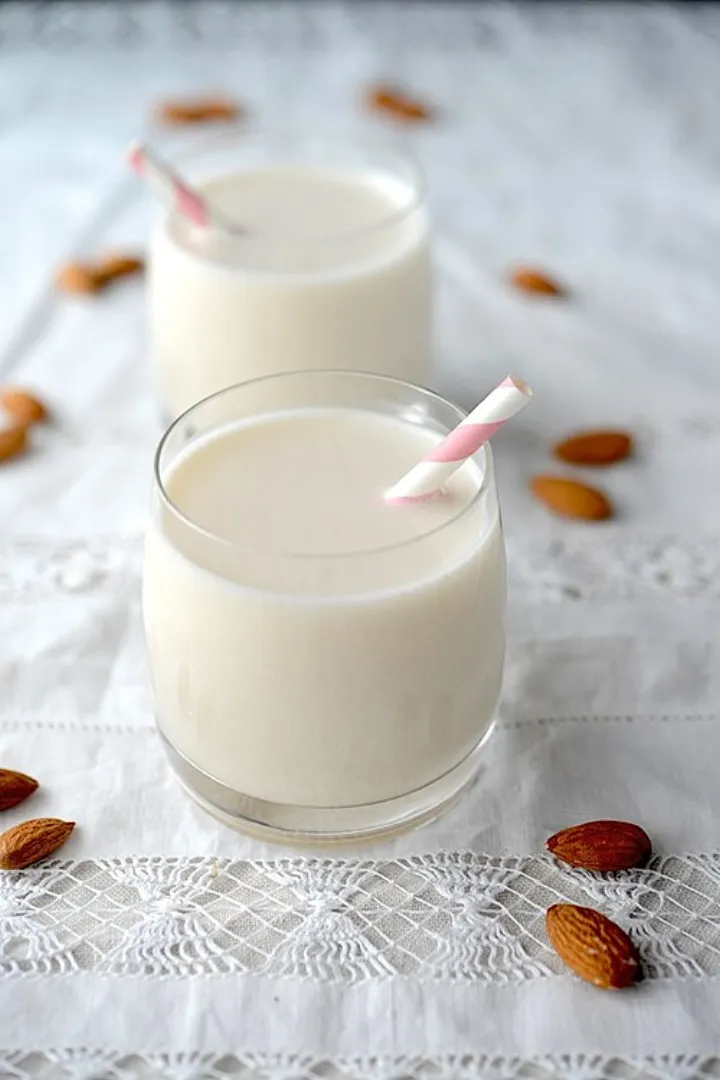
Almond milk instead of cow's milk: three Japanese cartons compared by ingredients, allergens and where to buy
Almond milk is a plant-based stand-in for cow's milk. We line up the unsweetened cartons from Ezaki Glico, Marusan-Ai and Tsukuba Dairy using the makers' own ingredient lists, allergen labels, protein figures and buying options.
-
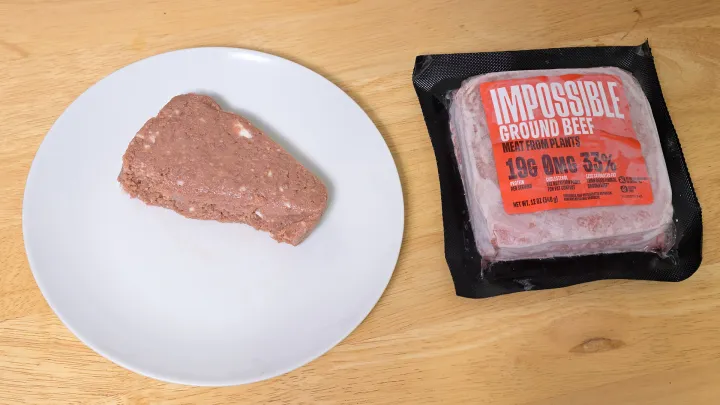
Beef Swapped Out at the Original Astoria Bareburger: What Goes Into the "impossible standard"
Impossible Beef stands in for ground beef, and Armored Fresh oat milk cheddar stands in for dairy cheese. Bareburger, founded in Astoria, Queens in 2009, puts both on one burger. This piece covers what's on the menu, how the red protein is made, who started the chain, and how to order vegan or gluten-free.
-
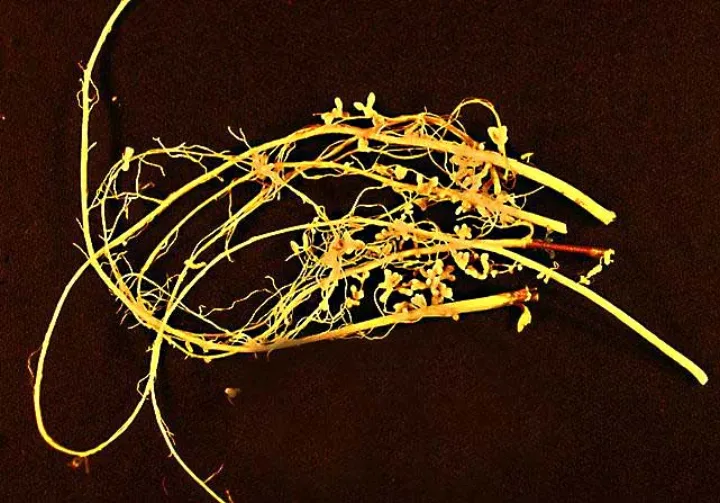
The red in a plant burger: how soy leghemoglobin (heme) works
Soy leghemoglobin is the ingredient that gives a ground-beef substitute its raw red color and its meaty smell on the grill. It is a soybean root protein made by fermenting engineered yeast. Here is how it is made, step by step, how US and EU regulators reviewed it, and the questions still open.
-
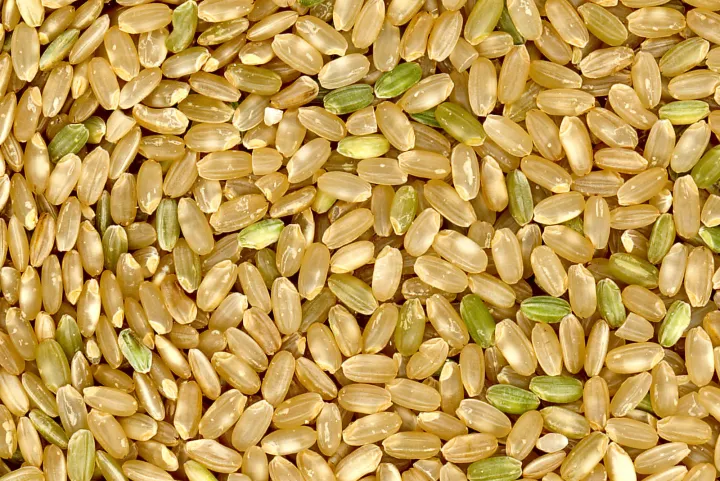
Milk protein grown in rice: inside Tokyo-based Kinish's molecular farming bet
Kinish, a Tokyo company, grows 20 cm dwarf rice in plant factories and is getting that rice to make casein. Here are the people, how the technology works, what's in the rice ice cream you can buy today, how its makers describe the taste, and where to find it in Japan.
-
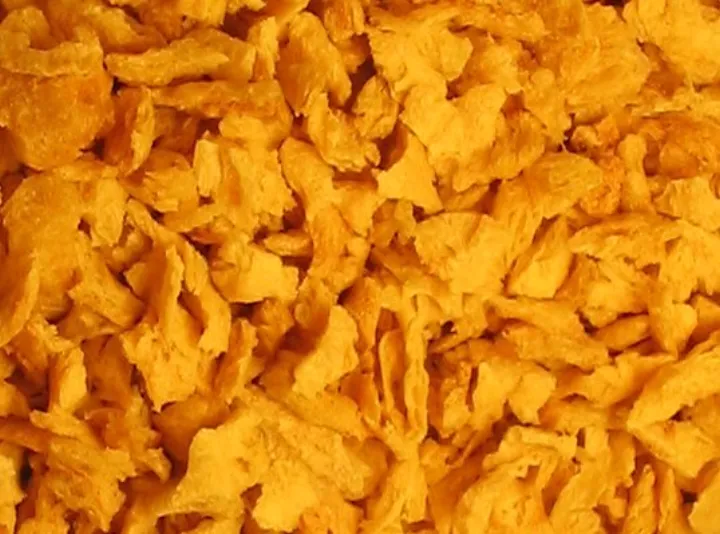
Skip the soak: a mince-free soboro sauce made with dried soy mince
Dried soy mince replaces ground meat in this soboro sauce. Marukome's official recipe skips the soak and puts the mince straight into the pan and the broth.
-
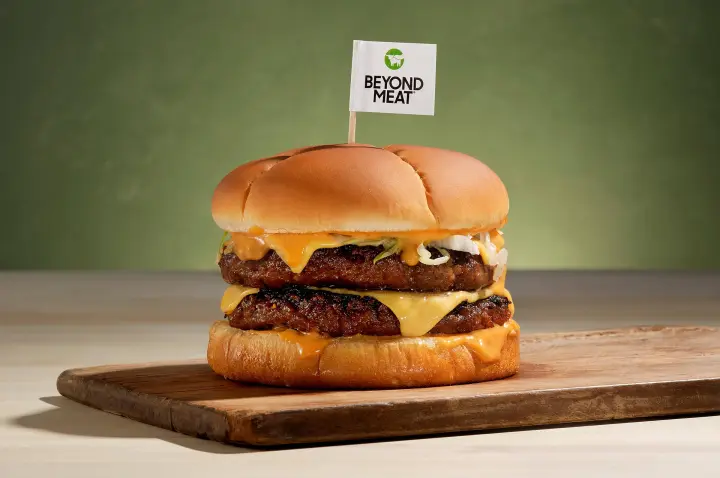
What is plant-based meat made of? How a bean becomes meat-like fibre
Split the crop, build fibre with heat and pressure, then add colour and aroma. The process, step by step, from makers and researchers.
-
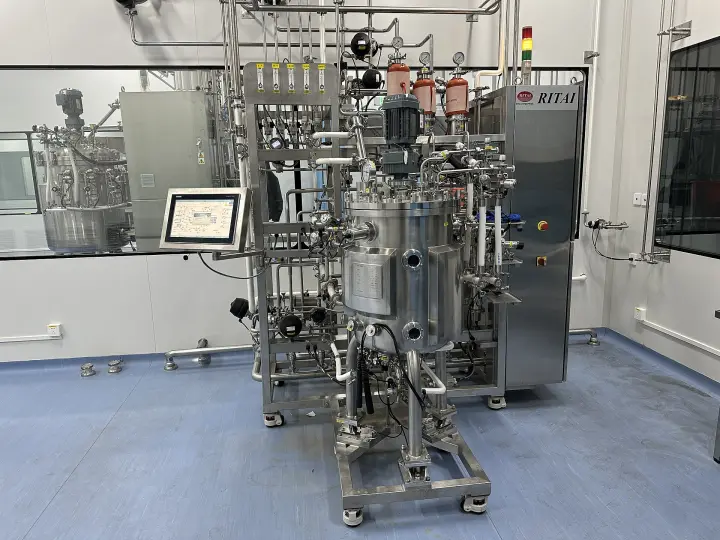
Precision fermentation: how yeast can make the proteins in milk
Engineered yeast, a steel tank and a dairy-style finishing line. How it works, how it tastes, how it is labelled and what Japan requires.
-
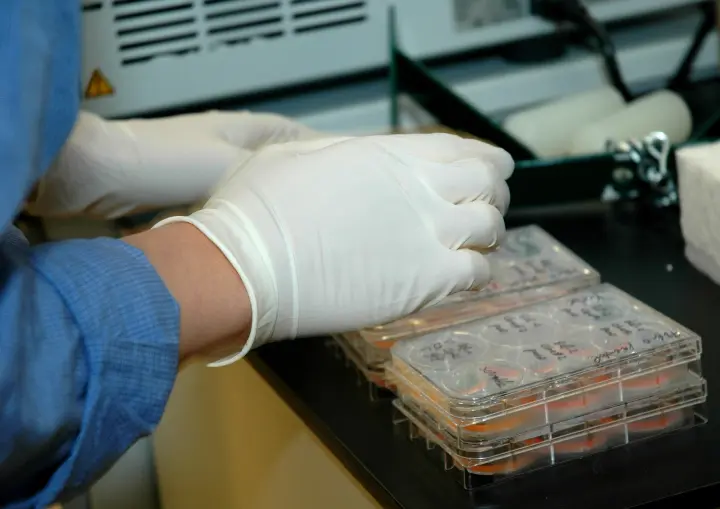
How cultivated meat works: from cells to food
Cultivated meat is grown from animal cells. Here are the FDA's four production stages, the people behind it from the first burger in 2013 to salmon on US restaurant menus, how its taste has been described, and where Japan's rules stand.
-

Australia’s v2food: from a Hungry Jack’s patty to ingredients for other food makers
Founded in 2019 by CSIRO and a burger magnate, v2food once supplied Burger King Japan. The technology, the people and where it is heading.
-
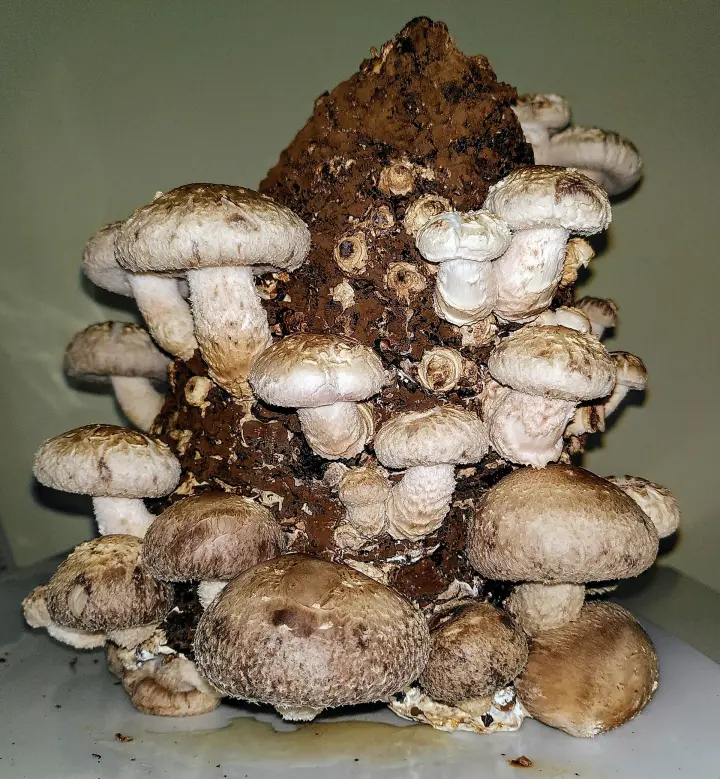
Fable turns shiitake stems into pulled ‘meat’: how it works and who makes it
Shredded stems, a binder and a patented cooking method. A mushroom protein built by a chef-turned-mycologist and his co-founders.
-
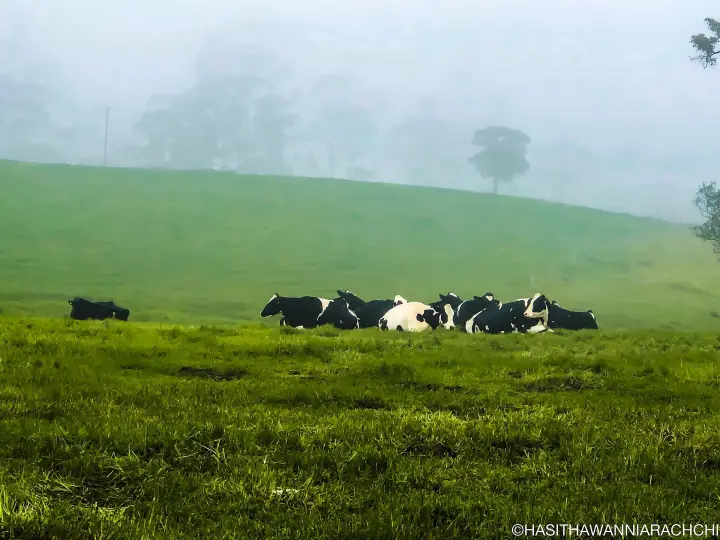
Daisy Lab: making milk proteins from yeast in a dairy nation
A former Fonterra employee and a microbiologist set out to make whey without cows. Prototypes, regulator approval, lactoferrin and a UK takeover.
-
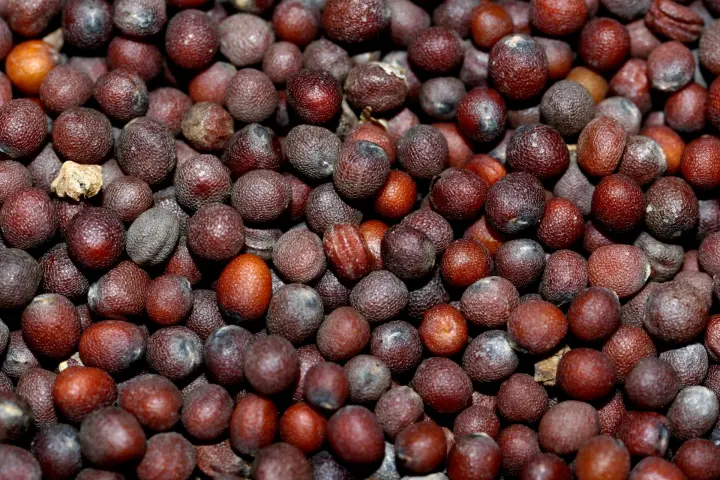
Dairy from safflower seeds: Miruku and plant molecular farming
Safflower carrying a cattle-based casein gene is heading into Australian field trials. The science, the team, the rules and the open questions.
-
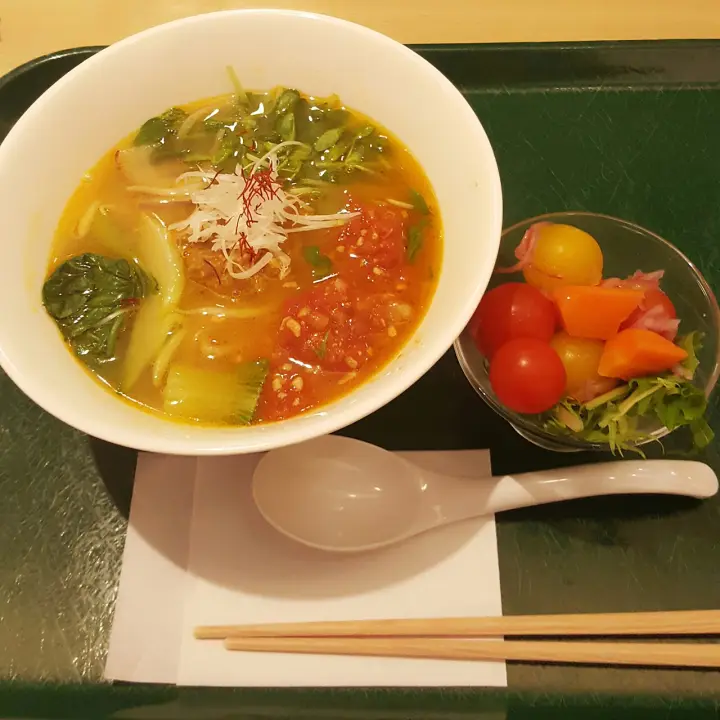
Vegan is not gluten-free: the label rules in Japan and the US, and what to check
Plant-only food can still be made from wheat. Japan's vegan JAS and allergen labels, and the US FDA gluten-free rule, explained.
-
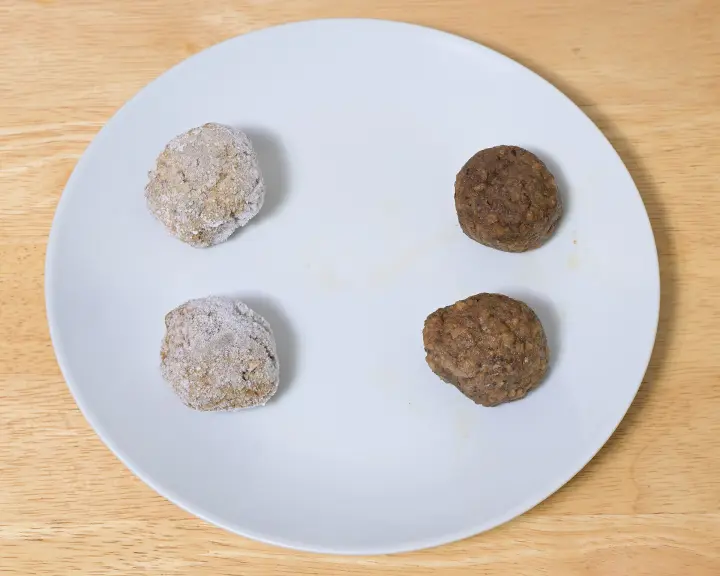
How do you compare taste? Sensory science methods, and our ground rules
Is there a difference, what is it, and how much do people like it? Three ways food scientists compare taste, and why we do not score yet.
-
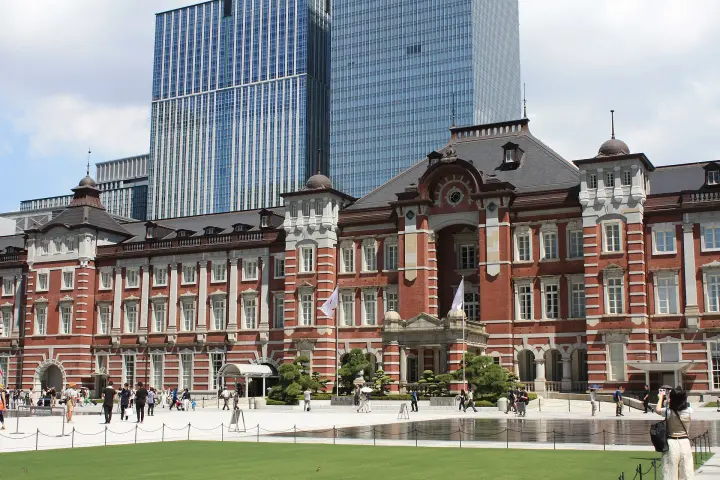
Plant-based tantanmen at Tokyo Station: inside T's Tantan and the woman who created it
T's Tantan serves tantanmen with no meat, seafood, eggs or dairy. How it moved from a Jiyugaoka vegan restaurant to Tokyo Station, what's on the menu and how it's made, where the Gransta Tokyo shop is, and what to order if you avoid gluten.
No matches ·