Plant-based tantanmen at Tokyo Station: inside T's Tantan and the woman who created it
T's Tantan serves tantanmen with no meat, seafood, eggs or dairy. How it moved from a Jiyugaoka vegan restaurant to Tokyo Station, what's on the menu and how it's made, where the Gransta Tokyo shop is, and what to order if you avoid gluten.
Tantan noodles at Tokyo Station, with no animal products
T's Tantan is a ramen shop that uses no animal ingredients at all: no meat, seafood, eggs or dairy. Its official page describes the food as vegan ramen with richness and umami (Source: T's Restaurant, T's Tantan page).
There are six shops: Gransta Tokyo at Tokyo Station, Ikebukuro Station, Akihabara Station, Ueno Station, Narita Airport Terminal 2, and Tokyo Food Bar in the Terminal 1 departure area (Source: same). All of them are inside stations or airports, so you can stop by between trains or before a flight.
The person behind it: T's Restaurant in Jiyugaoka
It grew out of T's Restaurant, a vegan restaurant in Jiyugaoka, Tokyo. Owner Masako Shimokawa was born in 1956. In 2009, when she was a full-time homemaker, she decided to make teaching the value of health through food her life's work, and she opened the restaurant on September 25 that year (Source: T's Restaurant owner profile; T's Tantan 15th anniversary post).
In 2013 she published Kiseki no Gochiso, a vegan recipe book for home cooks. She is now a director of the Plant Based Market Association of Japan (Source: owner profile). The operating company is TOKYO-T's Co., Ltd., founded on February 25, 2015 (Source: T's Restaurant company page).
How tantanmen got to Tokyo Station
Tantanmen became a popular dish at the Jiyugaoka restaurant. In January 2010, Shimokawa phoned an acquaintance to say she had finished her tantanmen and gyoza. Word reached a project team planning something at Tokyo Station under the banner "TOKYO GREEN STYLE" (Source: T's Story).
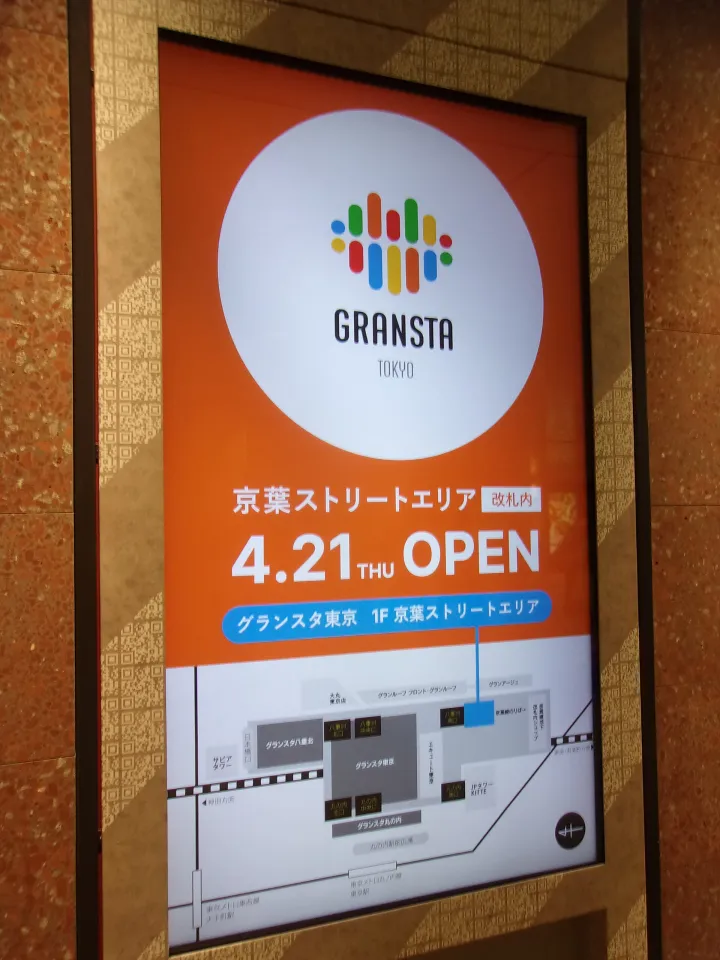
They spent about five months tasting and refining, and worked out how to serve bowls quickly for a station crowd. The goals were a bowl made only from vegetables and soy that people enjoy as ordinary tantanmen, that sits lightly afterward, and that people with dietary limits can choose (Source: same). The shop opened on March 20, 2011, on Keiyo Street inside Tokyo Station. Shimokawa recalls that it was just after the earthquake, with few people around (Source: T's Tantan 15th anniversary post).
What's on the menu
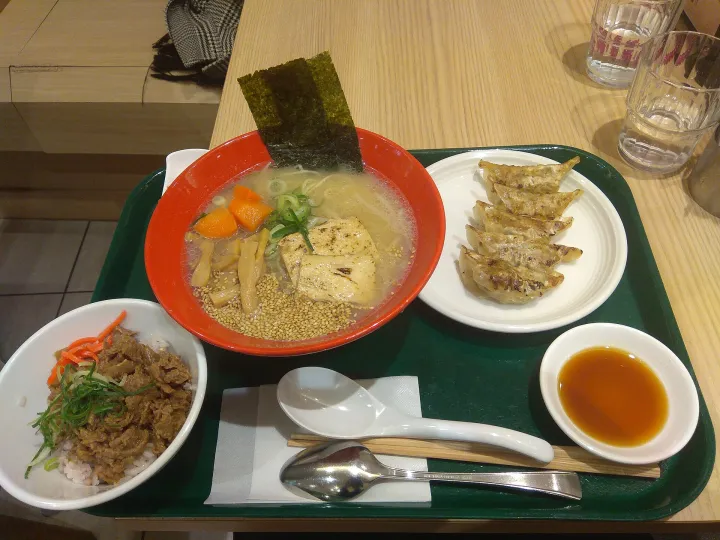
According to the October 2026 menu for the Gransta Tokyo and Akihabara shops, the headliners are Golden Sesame Tantanmen and Black Sesame Tantanmen at ¥1,250 each. The Golden Sesame Special, with more toppings, is ¥1,800, and the Black Sesame Special is ¥1,700. There is also Japanese Yuzu SIO Ramen at ¥1,250, a Tantan Rice Bowl at ¥1,350 and a Vegetable T's Curry Buddha Bowl at ¥1,700 (Source: T's Tantan menu).
Vegetable gyoza start at ¥400 for three. Toppings include soy cheese, soy meatballs, broiled soy-meat char siu and a hot spice crisp. Drinks include a matcha latte made with oat milk, and there is vegan gelato. Prices include tax, and you order at a ticket machine (Source: same).
How it's made without animal products
The official explanation is that the food is made with "plenty of vegetables and soy milk" (Source: T's Tantan official concept page). From the start, the plan was to cook only with vegetables and soy (Source: T's Story). The char siu and meatballs are replaced with soy meat (Source: T's Tantan menu).
The allergen chart lists wheat, peanut, sesame and soy in the tantanmen (Source: T's Tantan allergen chart). In other words, the richness comes from sesame and peanut. On the menu, Golden Sesame Tantanmen and Yuzu SIO Ramen carry a mark saying they contain none of the five pungent vegetables, such as garlic and green onion, that some Buddhist diets avoid (Source: T's Tantan menu).
How the taste is described
The shop leads with richness and umami (Source: T's Restaurant, T's Tantan page). Narita Airport's shop listing promises dishes full of "richness, umami and surprise" (Source: Narita International Airport shop listing).
Time Out Tokyo wrote in 2024 that the broth is flavored with sesame and peanut oil, and that the noodles have "a creamy enough finish to trick you into thinking there were animals involved" (Source: Time Out Tokyo). Shimokawa's own goal was ordinary tantanmen that people could eat without noticing it was vegan (Source: T's Story).
Getting there: Gransta Tokyo is outside the ticket gates
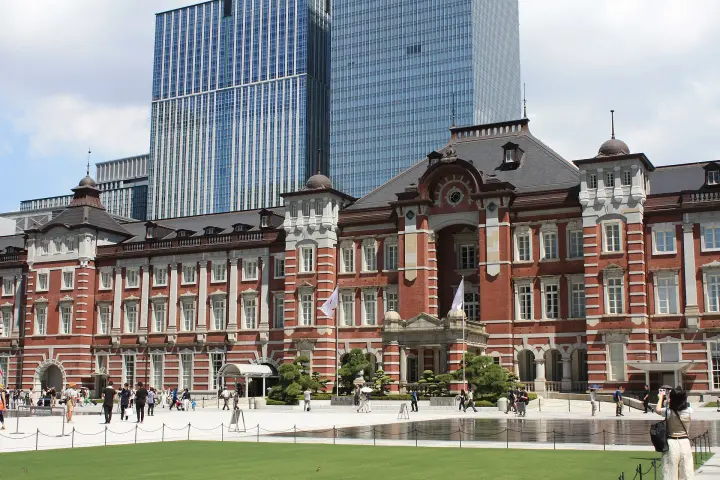
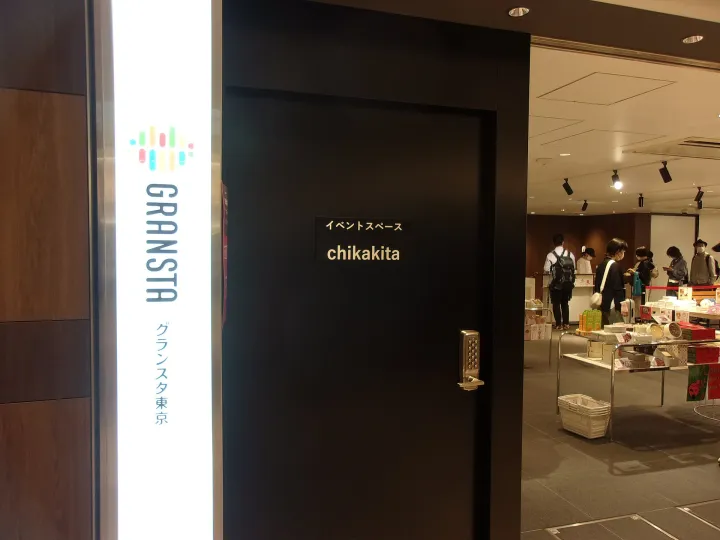
The Gransta Tokyo shop is on the B1 level of JR Tokyo Station, outside the ticket gates. JR East Cross Station's listing places it in the Square Zero event-space area, open 10 a.m. to 10 p.m. daily, with 16 table seats and 7 counter seats. Suica and credit cards are accepted (Source: JR East Cross Station shop listing; T's Restaurant, T's Tantan page).
When it opened, the shop was on Keiyo Street inside the gates (Source: T's Tantan 15th anniversary post), so older maps and articles may still say inside. The Ikebukuro and Ueno shops are inside the gates, Akihabara is outside the gates near the Electric Town exit, and the Narita Terminal 2 shop is on the 4th floor before security (Source: T's Restaurant, T's Tantan page; Narita International Airport shop listing).
If you avoid gluten or have allergies
If you want to avoid gluten, check both the noodles and the soup. On the allergen chart, the tantanmen carries a wheat mark even with rice-flour or konjac noodles. The dish without a wheat mark is Yuzu SIO Ramen ordered with rice-flour noodles, flat rice pho noodles or konjac noodles (Source: T's Tantan allergen chart, Oct 2026). Noodle options vary by shop. At Gransta Tokyo, wheat noodles are standard and you can switch to konjac (Source: T's Tantan menu).
All dishes are cooked with shared equipment, and the shops do not remove ingredients on request (Source: T's Tantan allergen and cross-contact page). If you have serious allergies, check the chart before ordering.
Eating it at home
There is also a cup noodle that Shimokawa supervised: Yamadai's (New Touch) Vegan Noodles Tantanmen, renewed on September 15, 2025. It uses no animal ingredients or alcohol, and Yamadai describes the soup as mellow and rich, built on sesame paste with the aroma of Sichuan pepper. It costs ¥237 including tax and is sold at supermarkets and drugstores across Japan, and at T's Tantan (Source: Yamadai press release; T's Restaurant owner profile).
Sources14
- T'sレストラン — T'sたんたん(店舗一覧)(外部サイト)ts-restaurant.jp
- T'sたんたん 公式サイト(JR東日本クロスステーション)(外部サイト)foods.jr-cross.co.jp
- T'sたんたん 公式 コンセプト(外部サイト)foods.jr-cross.co.jp
- T'sたんたん 公式 メニュー(グランスタ東京店・エキュート秋葉原店 PDF、2026年10月)(外部サイト)foods.jr-cross.co.jp
- T'sたんたん 公式 アレルゲンとコンタミネーション(外部サイト)foods.jr-cross.co.jp
- T'sたんたん アレルギー一覧表(東京・秋葉原・上野・池袋 PDF、2026年10月)(外部サイト)foods.jr-cross.co.jp
- JR東日本クロスステーション — T'sたんたん グランスタ東京 店舗案内(外部サイト)shop.jr-cross.co.jp
- T'sレストラン — 代表プロフィール(外部サイト)ts-restaurant.jp
- T'sレストラン — 会社案内(外部サイト)ts-restaurant.jp
- T'sレストラン — T'sストーリー(外部サイト)ts-restaurant.jp
- T'sレストラン — T'sたんたん15周年(2026年3月20日)(外部サイト)ts-restaurant.jp
- 成田国際空港 — T'sたんたん 店舗案内(外部サイト)narita-airport.jp
- ヤマダイ プレスリリース(2025年9月2日・ヴィーガンヌードル リニューアル)(外部サイト)atpress.ne.jp
- Time Out Tokyo(報道・補助)T's Tantan(外部サイト)timeout.com
Information as of November 2026.
Read next
All stories