Dairy from safflower seeds: Miruku and plant molecular farming
Safflower carrying a cattle-based casein gene is heading into Australian field trials. The science, the team, the rules and the open questions.
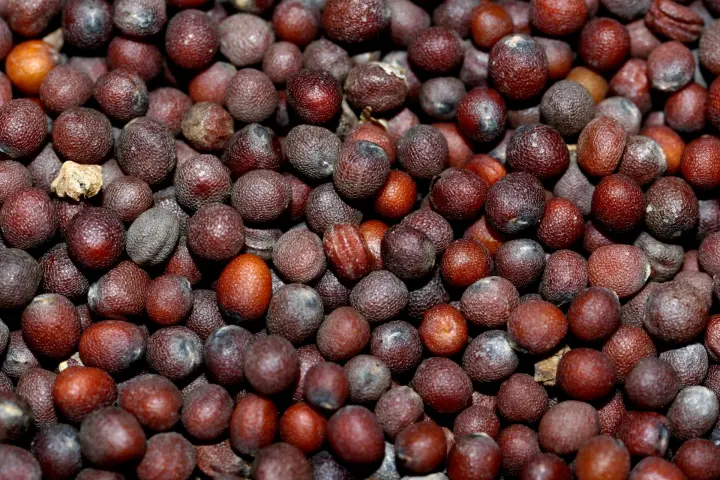
Milk protein from a field, not a tank
New Zealand's Miruku wants oilseed crops to make dairy protein and fat inside their seeds. It calls the idea the Dairy Seed System. The seeds, the company says, can be planted, grown, harvested and processed into ingredients using existing infrastructure (Source: Miruku).
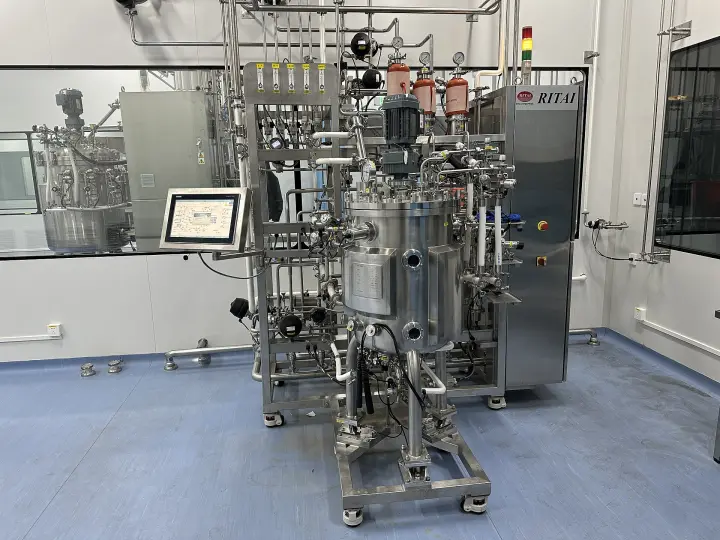
Founded in 2020, Miruku differs from precision fermentation, which grows microbes in steel tanks. Here the plant itself, running on sunlight, makes the building blocks of dairy (Source: TechCrunch).
What it plans to sell: powders, fats, emulsions
Miruku does not intend to sell to shoppers. It is a B2B supplier aiming at food manufacturers from small firms to multinationals, and it plans to partner with existing supply-chain players rather than build its own growing or processing assets (Source: DairyNews).
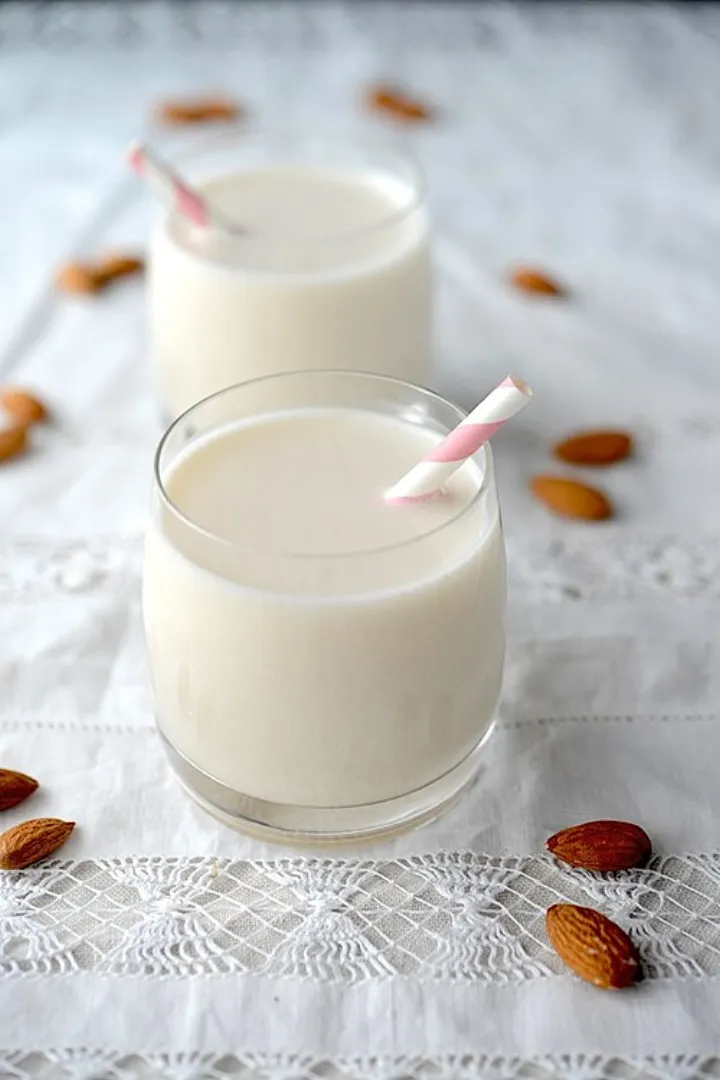
The seeds are meant to become protein powders, fats and emulsions. In April 2024 the company said it had made prototype cheese and whipped cream, but had not yet chosen its first product for market (Source: DairyNews).
How it works: tiny factories inside a seed
The approach is called plant molecular farming. Plant cells are programmed to make proteins and other molecules that animals normally produce (Source: TechCrunch).
According to Australia's gene technology regulator, Miruku's safflower carries a modified beta-casein gene based on the cattle gene. Casein is one of the main protein groups in cow's milk. RNA hairpin constructs dial down the plant's own fatty acid genes, FAD2 and SAD, to change the fat profile. The genes are introduced with the soil bacterium Agrobacterium, and up to 120 lines may be tested (Source: OGTR risk assessment summary).
Once a plant expresses the target protein, chief executive Amos Palfreyman has said, scaling is a matter of planting the seeds (Source: TechCrunch).
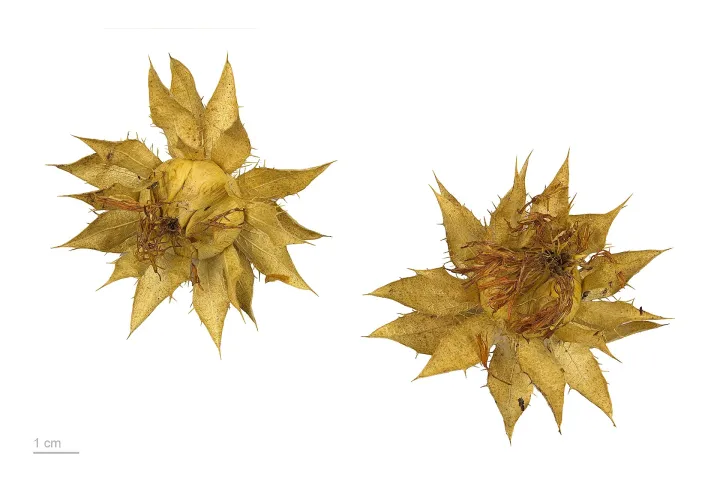
Why safflower
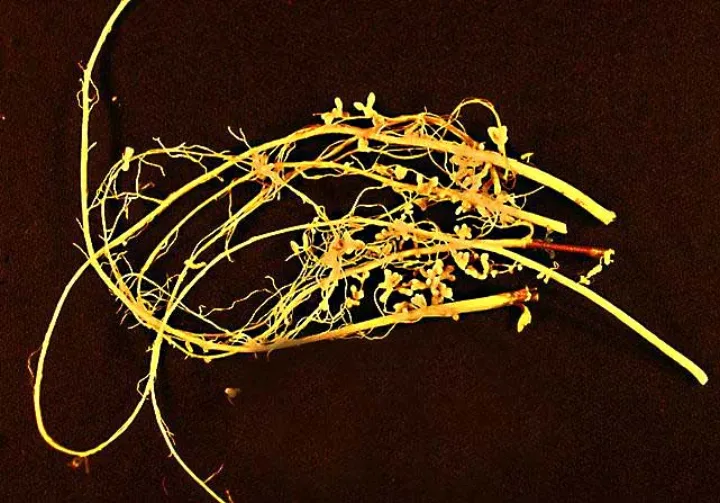
Miruku chose safflower as its first crop. It cites drought resilience, soil-improving qualities and the ease of fitting it into different regions and crop rotations (Source: DairyNews).
Farmers have grown safflower for those agronomic benefits despite low financial returns, and the company wants to turn it into a high-value crop (Source: DairyNews). Its team includes Dr Craig Wood, group leader for synthetic traits at CSIRO, Australia's national science agency, who leads the company's oil-crop transformation and grower strategy in Australia (Source: Miruku Team).
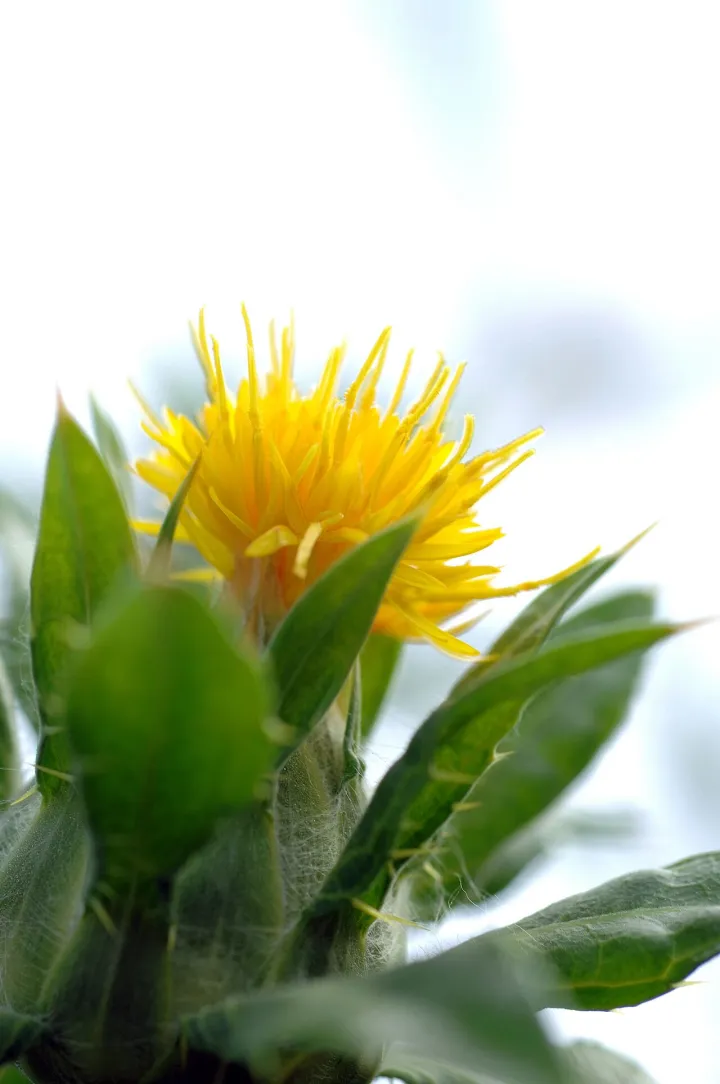
The people inside
Co-founder and chief science officer Professor Oded Shoseyov joined the Hebrew University of Jerusalem's Faculty of Agriculture in 1990 as a professor of plant molecular biology. He is the scientific founder of 14 companies and is known for engineering tobacco plants to make human collagen. "Plants are very efficient," he has said (Source: WIPO Magazine).
On the dairy side is Distinguished Professor Harjinder Singh, director of the Riddet Institute at Massey University. He developed functional milk protein products with Fonterra and is a Miruku co-founder (Source: Massey University). Chief executive Palfreyman has worked across food, alternative protein and tech. Chair Jerry Steiner is a former Monsanto executive vice president (Source: Miruku Team).
Taste and texture: still to be proven
Miruku argues that plant foods lack taste, texture, nutrition and formulation flexibility, and that consumers don't love them. Its own products, it says, must be delicious, nutritious and affordable (Source: Miruku).
Singh uses his knowledge of dairy chemistry and protein interactions to design dairy molecules with better function and nutrition. Food formulation lead Dr Alejandra Acevedo-Fani builds model systems and microassays to see how the proteins behave in food and drink, and will develop prototypes as volumes grow (Source: Miruku Team). No tasting reports appear in the published material.
Field trials in Australia
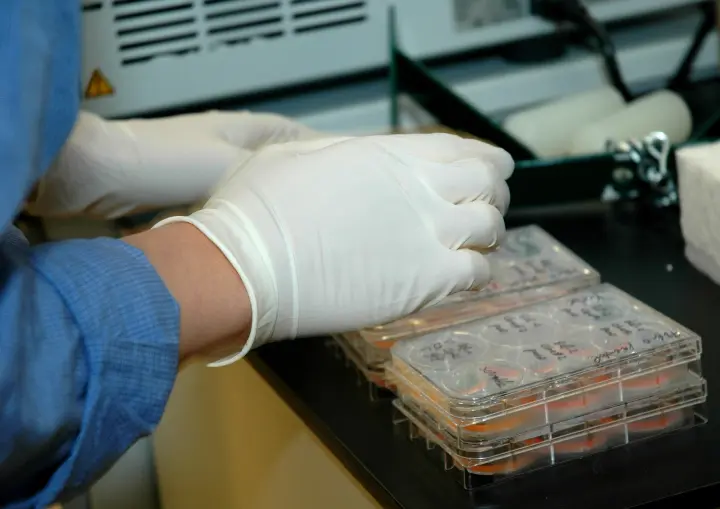
On 29 May 2025, Australia's Office of the Gene Technology Regulator issued licence DIR 211 to Miruku Australia for safflower field trials, running until December 2029. Planting starts at up to 1 hectare in 2025 and can grow to 20 sites of up to 5 hectares each in 2029, with a maximum of 231 hectares over five years. Sites may be in New South Wales, Victoria, Western Australia and South Australia (Source: OGTR).
The aim is to see how the safflower performs in the field. The crop cannot be used in commercial human food or animal feed, and conditions cover containment, secure transport and storage, and destruction at the end of the trial (Source: OGTR). The assessment found negligible risk to people and the environment (Source: OGTR risk assessment summary).
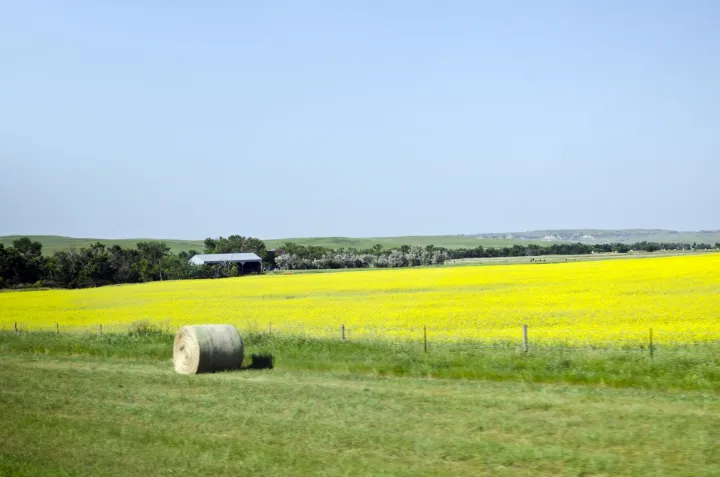
Japan: a long road to the plate
There has been no announcement of any Miruku safflower ingredient going on sale as food. In Japan, foods made with recombinant DNA technology need a Consumer Affairs Agency safety review before sale, and the agency publishes guidelines for assessing seed plants (Source: Consumer Affairs Agency).
Allergy will matter too. The protein is based on cow's beta-casein, so anyone with a milk allergy should check ingredients and allergen labelling if products eventually appear.
The hurdles: an early-stage company
In 2022 Palfreyman said it was fair to call Miruku "still an early-stage company" (Source: TechCrunch). He also acknowledged that getting plants to express mammalian proteins with their structure and function intact is hard. Pushing expression higher costs the plant energy, so the team plans to model the balance computationally (Source: TechCrunch).
On climate, an internal preliminary assessment suggested emissions could be halved compared with conventional dairy, but the company stated it had no formal data yet. As of April 2024 a lifecycle analysis was still planned, and regulatory approvals in each market were still ahead (Source: DairyNews).
Sources10
- Miruku — Official website(外部サイト)miruku.com
- Miruku — Our system(外部サイト)miruku.com
- Miruku — Team(外部サイト)miruku.com
- TechCrunch — Miruku is replacing animals with plants to create dairy proteins (21 Mar 2022)(外部サイト)techcrunch.com
- DairyNews — Interview with Amos Palfreyman, Co-Founder & CEO, Miruku (22 Apr 2024)(外部サイト)dairynews.today
- OGTR — DIR 211 licence (safflower GM for dairy protein production)(外部サイト)ogtr.gov.au
- OGTR — DIR 211 Summary of the Risk Assessment and Risk Management Plan (June 2025)(外部サイト)ogtr.gov.au
- WIPO Magazine — Bio-engineering: unlocking nature's treasures (Oded Shoseyov)(外部サイト)wipo.int
- Massey University — Riddet Institute Director awarded Pickering Medal (29 Nov 2024)(外部サイト)massey.ac.nz
- 消費者庁 — 遺伝子組換え食品の安全性審査(外部サイト)caa.go.jp
Information as of November 2026.